Senate Rejects Democratic Effort to Limit Trump's Iran War Powers
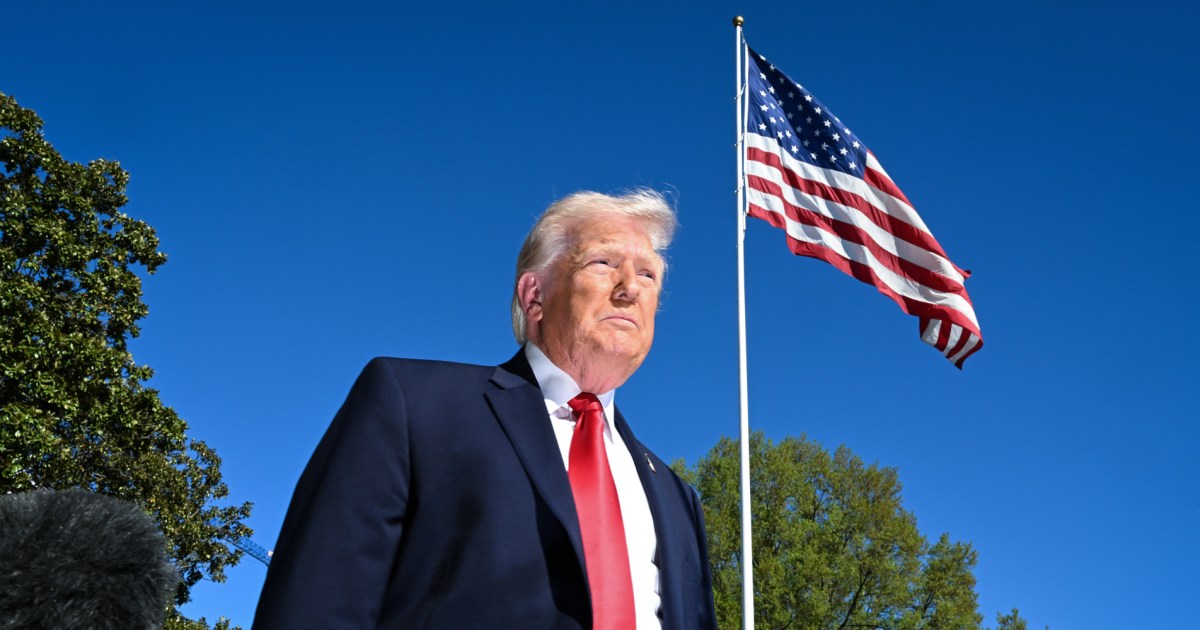
The **US Senate** has rejected a Democratic effort to rein in **President Trump**'s war powers in relation to **Iran**. This move comes as some **Republicans**
Summary
The **US Senate** has rejected a Democratic effort to rein in **President Trump**'s war powers in relation to **Iran**. This move comes as some **Republicans** have expressed concerns that Trump's comments on Iran could hurt the **GOP**'s midterm chances. The development is closely tied to the [[iran-us-relations|Iran-US relations]] and the [[2024-us-elections|2024 US elections]]. The situation is being closely watched by international observers, including those in the [[middle-east|Middle East]] region. The [[united-states-congress|US Congress]] will likely continue to debate the issue, with some lawmakers pushing for greater oversight of the president's war powers. This is not the first time the **US Senate** has addressed the issue of war powers, with previous debates surrounding the [[war-powers-act|War Powers Act]].
Key Takeaways
- The US Senate has rejected a Democratic effort to limit President Trump's war powers in relation to Iran
- The move has significant implications for US foreign policy and global stability
- The situation is complex and multifaceted, with many factors at play
- The implications of the move for the 2024 elections are still unclear
- The situation is closely tied to the Middle East geopolitics and the global security landscape
Balanced Perspective
The Senate's rejection of the Democratic effort is a complex issue with multiple factors at play. On one hand, it could be seen as a reflection of the **constitutional balance of powers** between the legislative and executive branches. On the other hand, it could also be argued that the move will have significant implications for **US foreign policy**, particularly in relation to **Iran**. The [[european-union|European Union]] is also likely to be impacted by the development, with potential implications for **international trade** and **global security**.
Optimistic View
The rejection of the Democratic effort could be seen as a positive development for those who believe in a strong **US military** presence in the region. It could also be argued that the move will allow the **Trump administration** to take a more decisive approach to dealing with **Iran**, which has been a major point of contention in recent years. However, this perspective is not shared by all, with some arguing that the move will only serve to escalate tensions in the region. The [[israel-us-relations|Israel-US relations]] are also likely to be impacted by the development, with **Israel** being a key player in the region.
Critical View
The rejection of the Democratic effort is a concerning development for those who believe in the importance of **congressional oversight** of the president's war powers. It could also be argued that the move will only serve to embolden the **Trump administration** to take further unilateral action, which could have disastrous consequences for global stability. The [[russia-us-relations|Russia-US relations]] are also likely to be impacted by the development, with **Russia** being a key player in the region. The situation is closely tied to the [[syria-civil-war|Syria civil war]] and the [[ukraine-russia-conflict|Ukraine-Russia conflict]].
Source
Originally reported by NBC News